Search
×

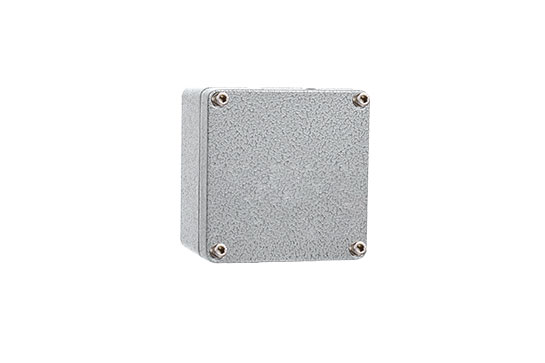
Explosion Proof Enclosure

Products Show for Explosion Proof Enclosure


Flexible designed to varied explosion proof appliances as requested

within diversified explosion proof empty enclosures.

INQUIRE NOW

Explosion proof enclosure, also called explosion proof enclosures, explosion proof box, flame proof enclosure, class 1 div 1 enclosure, explosion proof battery enclosure, explosion proof aluminum enclosure, explosion proof sensor enclosure, ex proof enclosure, dust ignition proof enclosures, ex enclosure, class 1 division 2 enclosure, explosion proof enclosure with window, eex d enclosure, ex td enclosure, hazardous location enclosure, explosion proof panel, explosion proof panelboards, explosion proof junction box, flameproof junction box, ex closures, cabinet explosion proof, explosion proof box electrical, ex de enclosure, ex n enclosure, class 1 div 2 enclosure nema.


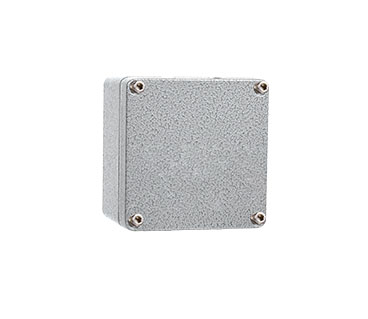
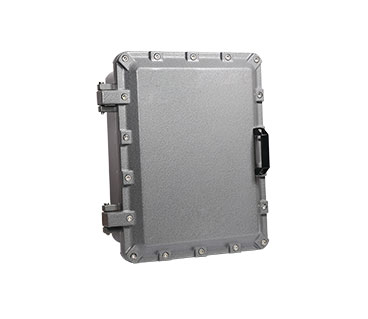
Available explosion protected empty enclosure with flame proof aluminum housing and increased safety aluminum housing, explosion proof enclosure can work as explosion proof junction box with terminal blocks inside, as explosion proof panel with miniature circuit breaker, molded case circuit breaker, mushroom buttons, indicators and switches inside, as explosion proof switch and explosion proof motor starter with molded case circuit breaker inside, explosion proof receptacle with receptacle inside, explosion proof enclosure with window and ammeter and voltmeter inside. All related electrical devices can be put inside a flame proof or increased safety enclosure for low-voltage power distribution and control purposes in harsh and hazardous location. As one of the best explosion proof enclosure manufacturers, we have been producing various kinds of flame proof circuit breaker. If you are interested in our products, you can contact us.

Category

Explosion Proof Enclosure

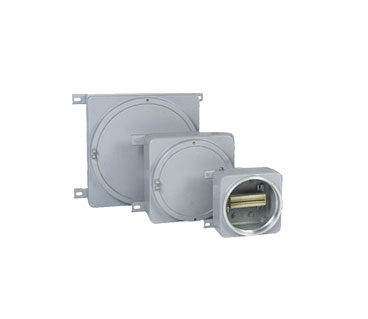
Explosion Proof Enclosure Exd 11b Class 1 Div 1 Enclosure SEE-IIB Series

C1D1, C1D2, C2D1, C2D2

Zone 1&2, Zone 21&22

Max.1200A

Type 4X, IP66

View More
Explosion Proof Enclosure Exd 11c Class 1 Div 1 Enclosure SEE-IIC Series

C1D1, C1D2, C2D1, C2D2

Zone 1&2, Zone 21&22

Max.630A

Type 4X, IP66

View More
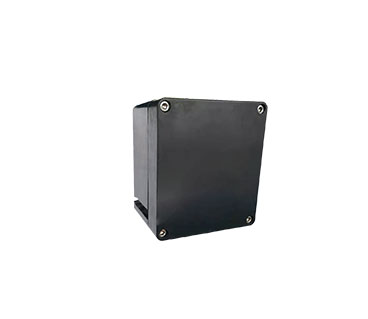
Explosion Proof Enclosure GRP Hazardous Location Enclosure SEE-P Series

C1D2, C2D1, C2D2

Zone 1&2, Zone 21&22

Max.250A

Type 4X, IP66

View More

Features

Explosion Proof Enclosure

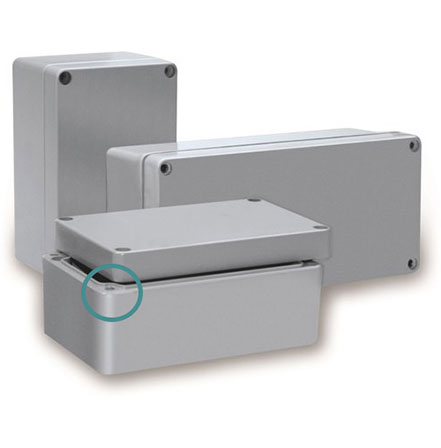
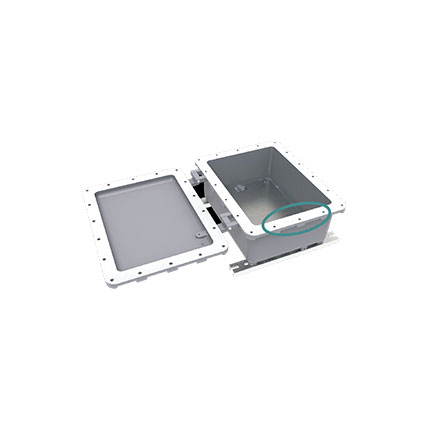
  • Die cast Aluminum alloy flame proof Ex d housing for IIB/IIC

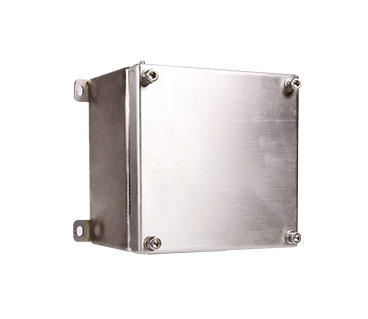
  • Aluminum, glass reinforced plastic and stainless steel increased safety housing

  • Style C boxes allowing for branch circuit addition

  • Wall of bodies flexible drilling for conduit entries

  • Stainless steel hex head bolts and fasteners

  • Square corners of body for maximum interior space

  • Customized brand and specifications for components

  • Wide ambient temperature range from -40℃ - +55℃

  • IP66 ingress protection, NEMA 4X

  • Class 1 Div 1, Class 1 Div 2, Class 2 Division 1, Class 2 Division 1

  • Group A, B, C, D, Group C, D, IIB, IIC

  • Zone 1, Zone 2, Zone 21, Zone 22


Main Use

Explosion Proof Enclosure

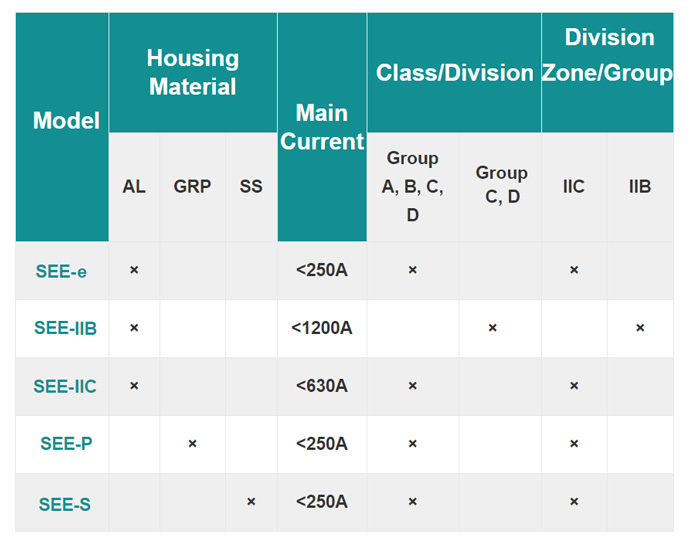
Explosion proof enclosure can be applied for many usages, in order to make you understand clearly, now we are listing the main usage directions from four aspects, function, hazard class division, usage by application and alternative for brand-new models.


                Area


Model
Division/GroupZone/Group
C1D1C1D2Group A, B, C, DGroup C, DZone 1Zone 2IICIIB
SEE-e
×
××××
SEE-IIB×××
××

SEE-IIC××

×
××
SEE-P
×
××××
SEE-S
××
×××


  • Function of Explosion Proof Enclosure

To put electrical components included but are not limited to circuit breakers, buttons, indicators, relays, terminal blocks in an explosion enclosed protected housing for the relative functions for electrical components in explosive atmosphere. This housing can also be configured as a functional explosion proof electrical box if required for specific industrial applications.


  • Hazard class division

You know there are different classifications and divisions for explosion proof enclosure, hazard class division can be class 1 div 1 and class div 2, group A, B, C, D and group C, D, zone 1 and zone 2, IIC and IIB, you can check the hazardous area classifications chart from other pages.

Explosion Proof Enclosure
  • Usage by application

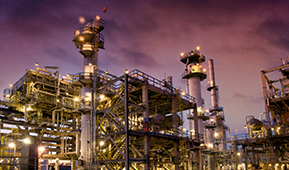
Depends on the application field, explosion proof enclosure can be used in production plants relative to crude oil, fuel gas and liquefied petroleum gas and gas storage plants and anywhere flammable gas, vapor, mist and dust present. Many electrical devices can be installed in an explosion proof electrical box to ensure safety.


  • Alternative for brand-new model

SUREALL explosion proof enclosure is the alternative solution for gbox, ejb full form, exb box, n34 box, glx box, grlb box, box usf, explosion proof camera enclosure, explosion proof camera housing, area enclosures, ex e enclosure, hazardous enclosures, zone 2 enclosure, atex battery enclosure, atex zone 22 enclosure.

Explosion Proof Enclosure Main Use

What is Explosion Proof Enclosure?

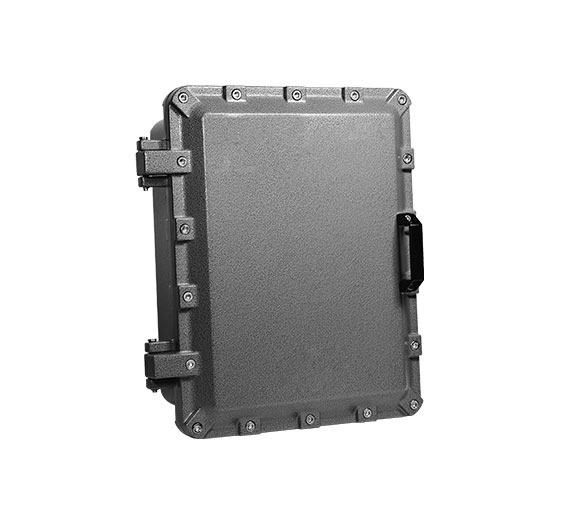
Explosion proof enclosure itself have no usage without any electrical components and have the certain function with particular electrical devices such as circuit breakers. Mostly explosion proof enclosure are flame proof type and increased safety type, flame proof type housing prevent the internal explosions from spreading to outer of explosive atmosphere, increased safety type housing enhance the safety level for all electrical components to avoid any electrical spark to ignite the explosive gas or dust. Often, these devices are mounted in explosion proof electrical boxes or similar enclosures to meet safety standards.


Explosion Proof Enclosure


Note: AL means aluminum alloy, GRP means glass reinforced plastic, SS means stainless steel 304/316.


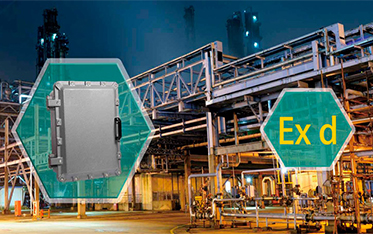
As for SEE-IIB, SEE-IIC series, the flame proof type housing can install general electrical components to make it explosion proof Ex d, even both two models can be used in class 1 div 1, zone 1, SEE-IIB suit in gas group C, D, IIB and SEE-IIC suit in gas group A, B, C, D, IIC.


As for SEE-e, SEE-P, SEE-S series, the increased safety type housing can install flame proof electrical components to be explosion proof Ex ed for class 1 div 2, zone 1, two models all suit in gas group A, B, C, D, IIC.

What is Explosion Proof Enclosure?
Product

FAQs about Explosion Proof Enclosure

Q

What material is explosion proof?

A

When manufacturing explosion proof enclosure, there are normal three material, die cast aluminum alloy, glass reinforced plastic and stainless steel. Is stainless steel explosion proof? Yes, stainless steel increased safety can be explosion proof. What is the most explosion resistant material? Die cast aluminum alloy is the most resistant material because of the high impact resistance to withstand the explosion pressure and excellent thermal conductivity performance to transfer the explosion energy out.

Q

What is an Ex d enclosure? What is flameproof enclosure? What is FLP enclosure?

A

Ex d enclosure, also name flameproof enclosure and FLP enclosure, consist of aluminum alloy housing designed with flame path for explosion heat to escape to outer of housing, the empty enclosure can be put many kinds of electrical components to be explosion proof panel, explosion proof circuit breaker, explosion proof junction box.

FAQs about Explosion Proof Enclosure
Q

How do explosion proof enclosures work?

A

Explosion proof enclosures can not work separately, when enclosed with any other certain function of electrical device, the explosion proof enclosure can confined the any arcing in limited space to cool the energy to increase the electrical usage safety.

Q

Which type of enclosure is used in hazardous location?

A

There are class 1, class 2 and class 3 type explosion proof enclosure in hazardous location, class 1 explosion proof enclosure can be divided to class 1 div 1, class 1 div 2, class 2 explosion proof enclosure can be divided to class 2 div 1, class 2 div 2, gas group can be group A, B, C, D, group E, F, G.

Q

What is a Class 1 Div 1 enclosure?

A

Class 1 div 1 enclosure include flame proof Ex d enclosure and flame proof/increased safety Ex de enclosure, whereas flame proof enclosure are the most common application equipped with flame proof aluminum housing to isolating the ignition inside the housing from the outside the housing to ensure the project safety.

Q

What is an explosion proof enclosure?

A

An explosion-proof enclosure is a housing designed to contain internal explosions and prevent ignition of surrounding hazardous atmospheres. It protects electrical components while ensuring safety in areas with flammable gases or dust. In some applications, specialized designs such as an explosion proof enclosure with window allow safe visual inspection without opening the enclosure. These enclosures are widely used in industries such as oil and gas, chemical processing, and mining.

Q

Why do I need an explosion proof enclosure?

A

You need an explosion-proof enclosure to ensure safety and prevent ignition in hazardous environments. It protects personnel and equipment from sparks or flames that could trigger explosions. Additionally, using certified explosion-proof enclosures ensures compliance with industry standards and legal regulations in hazardous locations.

Q

What is the difference between flameproof and increased safety enclosures?

A

Flameproof (Ex d) enclosures are designed to contain internal explosions and prevent sparks from igniting the surrounding atmosphere. Increased safety (Ex e) enclosures do not contain explosions but prevent sparks, arcs, or hot surfaces through enhanced design. The choice depends on the type of hazardous substance and the classification of the hazardous area.

Q

Is NEMA 4X enclosure an explosion proof?

A

No, a NEMA 4X enclosure is not explosion-proof. NEMA 4X, defined by the National Electrical Manufacturers Association, indicates protection against water, corrosion, and dust ingress. Explosion-proof enclosures, however, are specifically designed to contain internal explosions and prevent ignition of hazardous atmospheres.

Q

What NEMA enclosure is explosion proof?

A

NEMA enclosure rating does not directly mean explosion-proof. Ratings from the National Electrical Manufacturers Association define environmental protection, not hazardous area suitability. Explosion-proof performance is determined by certifications such as Class/Division ratings or flameproof standards, rather than a specific NEMA enclosure type.

Q

Is explosion proof enclosure needed outside of room?

A

Explosion-proof enclosures are not limited to indoor use. They are required wherever hazardous atmospheres may be present, whether indoors or outdoors. Outdoor installations may additionally require protection against weather, corrosion, and dust, often combining explosion protection with environmental ratings like NEMA 4X or IP66.

Q

What are the different types of explosion proof enclosures?

A

Explosion-proof enclosures come in several types based on protection methods and standards. Common types include Ex d (flameproof), which contain internal explosions; Ex e (increased safety), which prevent sparks; and Ex n (non-sparking) for specific zones. Selection depends on the hazardous area, gases, and dust present.

Lighting The Way To Safety! Choose SUREALL, Sure For All!

Want to Get High-quality LED lighting, explosion proof lighting and other explosion-proof fittings? Welcome to SUREALL

SUREALL Latest News & Blog